A drain camera inspection sends a waterproof, high-resolution camera down your pipes on a flexible rod so a plumber can see blockages, cracks, and root intrusion without digging up your yard. Here's exactly what to expect from a drain camera inspection in 2026, and the five-minute prep that saves everyone time on the day.
- A drain camera inspection what to expect: 20-45 minutes of footage-guided diagnosis, no digging required in most cases.
- Clear access to your main drain point before the plumber arrives in 2026 - it's the single biggest time-saver.
- Apex Drain Plumbing runs camera inspections across Melbourne with upfront pricing before any work starts.
- Recurring blockages, tree root intrusion and slab leaks are the three most common findings on camera.
Why this matters
Guessing at a drain problem means guessing at the fix, and that usually means paying for a clear that doesn't hold. A camera shows the plumber exactly where the pipe narrows, where roots have broken through, or where a joint has separated - so the quote you get after the inspection is based on what's actually wrong, not what's probably wrong.
Melbourne's older suburbs still run a lot of clay and cast-iron pipe from properties built before the 1980s, and those materials crack and shift with ground movement over decades. A camera inspection is the only reliable way to confirm what's happening below the slab or under the lawn before anyone commits to a repair. Apex Drain Plumbing runs these inspections as a standard first step on recurring blockages, not an upsell after the fact.
What you'll need
- Clear, walkable access to the main drain access point (usually a capped fitting near the front boundary or beside the house)
- 20-45 minutes with someone home who can answer questions about the plumbing history
- A rough timeline of the problem - when it started, how often it recurs, which fixtures are affected
- Any past invoices or notes from previous plumbers who worked on the same drain
- Vehicles moved off driveways or verges if the access point sits under a car space
- Pets secured away from the work area for the duration
The steps
1. Locate your drain access points before the appointment
Most homes have an inspection opening near the front boundary, another near the house, and sometimes one at the boundary trap. Finding these ahead of time cuts 10-15 minutes off the visit because the plumber isn't searching the yard.
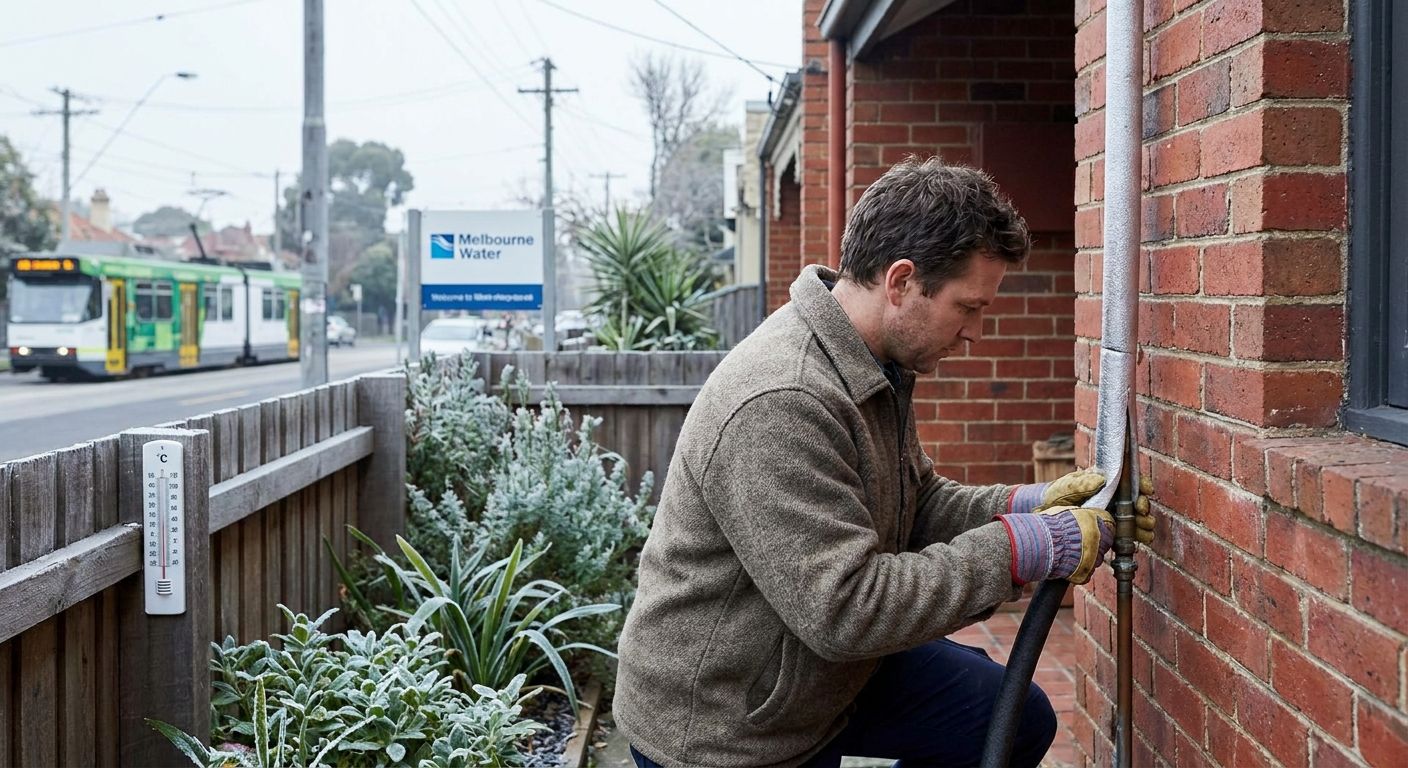
If you don't know where yours are, check near downpipes, along the side of the house, or near the front fence line - look for a round or square plastic or metal cap sitting flush with the ground. Common mistake: assuming the toilet is the only way in. Most camera runs start from an external access point, not through a fixture.
2. Write down the symptom timeline
Tell the plumber exactly when the problem started, what triggers it (heavy rain, running the washing machine, multiple showers back to back), and whether it's worsened through 2026. This detail tells the technician which section of pipe to focus the camera on first.
A gurgling toilet that started after a tree was planted three years ago points to root intrusion. A blockage that only shows up after rain points to a cracked pipe letting groundwater in. Common mistake: only describing the most recent incident and skipping older, related symptoms that actually matter more.
3. Stop using water in the house during the inspection
Running taps, flushing toilets, or running the dishwasher while the camera is in the line pushes water and debris straight at the lens, which blurs the footage and can force a re-run. Let everyone in the house know the water needs to stay off for the 20-45 minute window.
This is the step people skip most often, and it's the one that adds the most time back onto the job. Common mistake: putting on a quick load of washing while the plumber sets up outside.
4. Clear the physical work area
Move bins, pot plants, garden hoses and parked cars away from the access point and the path the plumber needs to walk with the camera reel and monitor. A cluttered path around the access point is the second most common delay after water use.
If the access point sits under decking or paving that's been built over since the house was last inspected, mention this when booking - it changes how the job is scoped from the start.
5. Confirm which sections will be inspected
Ask whether the inspection covers just the problem fixture's line or the full run to the street connection. A full-length inspection takes longer but catches issues further down the line, including root intrusion from neighbouring trees - a common cause of recurring blockages across older Melbourne streets. See how tree roots block drains for how that pattern develops over time.
6. Watch the live footage if you want to
Most camera units feed to a monitor on-site in real time, and a good plumber will show you the footage as it runs rather than just handing over a report afterward. Ask to see the exact point where the pipe narrows, cracks, or where roots have broken through - it's the difference between trusting a quote and understanding it.
7. Get the quote before any work starts
Once the camera run is done, the plumber should walk you through what was found and quote the fix on the spot, before touching a tool. Upfront pricing after a camera inspection means no surprise line items once the job is underway.
Troubleshooting
The camera can't get past a bend or fitting. Some older 90-degree junctions are too tight for the camera head to pass - the plumber will note the blockage location by cable length and may need to access the pipe from the other end.
Blockages recur at the same spot every time. This usually means a structural defect - a sagging pipe or a partially collapsed section - rather than a one-off clog, and jetting alone won't fix it long-term.
Roots keep showing up on every inspection. If root intrusion appears at the same joint repeatedly, the pipe has likely cracked at that point and needs relining or a section replaced, not just repeat clearing.
The camera reveals damp or cracking near the slab. This can indicate a slab leak rather than a drain issue. If the footage shows moisture tracking under the foundation, get it checked properly - see how to tell if you have a slab leak for the other warning signs.
The inspection finds nothing but the symptom persists. Sometimes the issue sits in a section of pipe not accessed during the first run - ask for the full-length inspection if only a partial run was done initially.
Old clay pipe shows visible cracking on camera. Clay pipe common in pre-1980s Melbourne homes degrades with age. Cracking on camera in 2026 doesn't always mean immediate failure, but that section should be monitored or relined before it worsens.
Book a drain camera inspection
Licensed Melbourne plumbers, upfront pricing, footage shown on-site.
Tools and resources
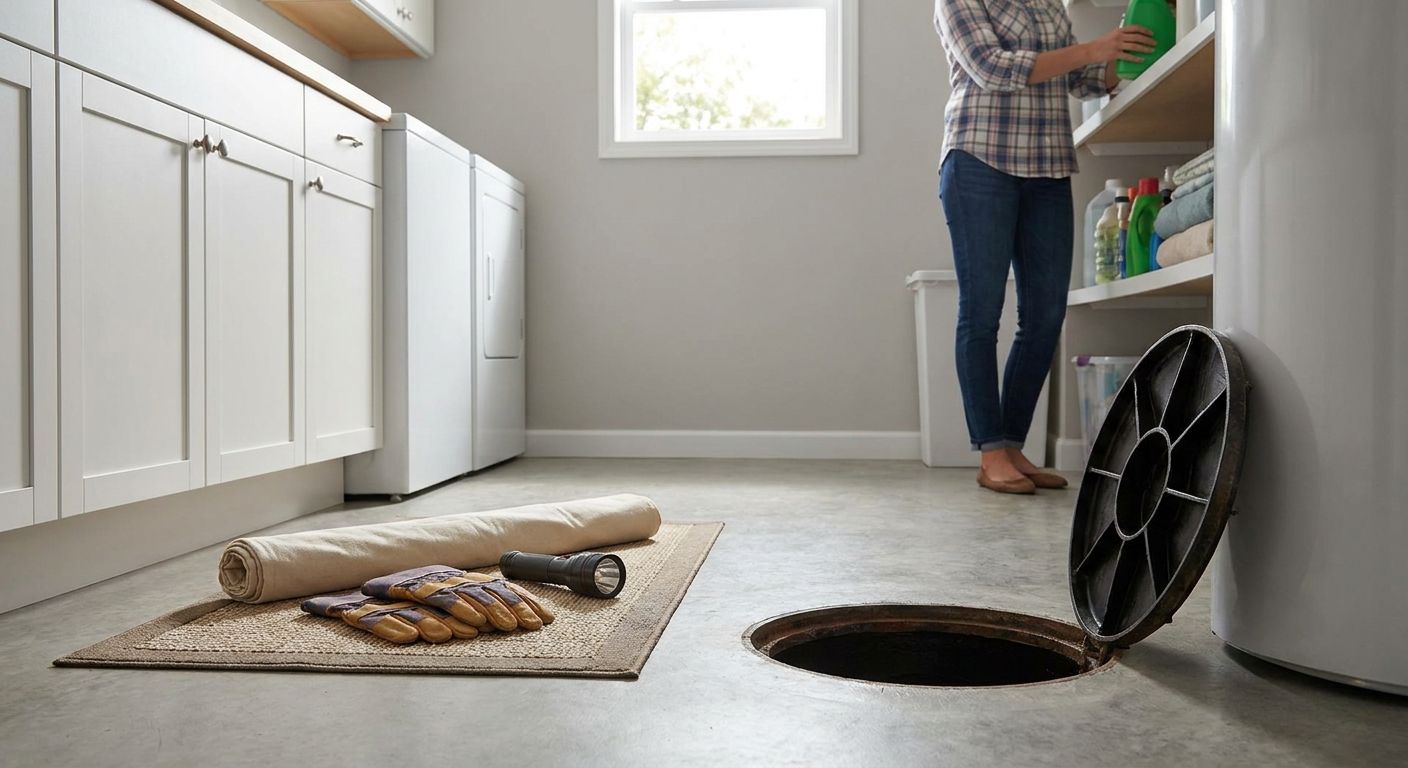
- A torch to help locate access points before the appointment
- Any previous plumbing invoices or drain reports for the same property
- A written symptom timeline: date, fixture, trigger
- A tape measure, so you can describe the distance from the house to the access point when booking over the phone
What to do next
If the camera confirms a blockage rather than a structural fault, the fix is usually straightforward and fast. Read how to clear a blocked drain fast before it floods your home for what happens between the inspection and the clear.
FAQ
What's the best way to prepare for a drain camera inspection?
Clear access to your drain inspection openings and stop using water in the house for the 20-45 minute appointment window. Having a symptom timeline ready also speeds up diagnosis on the day.
How much does a drain camera inspection cost in 2026?
Pricing varies by property and access difficulty, so get an exact figure when booking with Apex Drain Plumbing. Upfront pricing means the quote is confirmed before any repair work starts.
Is a drain camera inspection better than just clearing the blockage?
A camera inspection shows the actual cause of a blockage rather than only removing the symptom, which matters for recurring problems. Clearing without inspecting often means paying for the same job again within months.
How long does a drain camera inspection take?
Most residential inspections take 20 to 45 minutes depending on how many access points and how much pipe length needs to be run. Full-length inspections to the street connection take longer than a single-fixture check.
Can a drain camera detect tree root intrusion?
Yes, root intrusion is one of the most common findings on camera footage, especially in older Melbourne suburbs with mature street trees. Roots typically enter at cracked joints rather than through solid pipe.
Do I need to be home for a drain camera inspection?
Someone should be home to stop water use during the inspection and answer questions about the plumbing history. It also lets you view the live footage and see the findings directly.
Can a camera inspection find a slab leak?
A drain camera can reveal moisture or cracking near the foundation that points to a slab leak, though confirming one usually needs separate leak detection. Flag any damp patches near the slab before the inspection starts.
What happens after the drain camera inspection?
The plumber walks you through the footage and quotes any repair before starting work. If the line is clear, no further action is needed until symptoms return.
One last thing
The footage from your inspection is worth keeping. If the same section of pipe shows up again in a future camera run, having the 2026 footage to compare against tells the plumber whether a crack has worsened or a root has regrown - and that comparison is often what separates a quick clear from a decision to reline.