A burst pipe rarely announces itself with a bang. It starts small: a damp patch on the ceiling, a hissing sound behind a wall, a water meter that won't stop spinning even with every tap off. Catching the signs of a burst pipe early in 2026 is the difference between a same-day repair and a flooded home in Melbourne.
- The clearest signs of a burst pipe are a spinning water meter with taps off, damp ceiling patches and a sudden water bill spike.
- A hissing or gurgling sound inside a wall in 2026 usually means a pressurised line has already split.
- Musty smells and unusually soggy or green patches of lawn point to an underground burst pipe, not a DIY fix.
- If water pressure drops at every tap at once, shut the main off and treat it as an emergency, not a slow leak.
Why this matters
Melbourne's older suburbs still run a mix of copper, galvanised steel and ageing PVC under the slab, and 2026's swing between cold nights and sudden warm spells puts real stress on pipe joints that have sat quiet for months. A burst pipe you catch in the first hour is a repair job. A burst pipe you miss for a day is a ceiling collapse, warped flooring and a bigger insurance claim.
Apex Drain Plumbing fields burst pipe calls across Melbourne year-round, and the pattern is consistent: the homes that call early lose a wall patch and a plumber's invoice. The homes that call late lose carpet, flooring and sometimes a ceiling. Knowing the signs of a burst pipe before the water shows up outside is what separates the two.
What you'll need
Before you start checking, gather a few basics so you can move fast if you confirm a problem:
- A torch, for dark cupboards, ceiling cavities and under-sink spaces
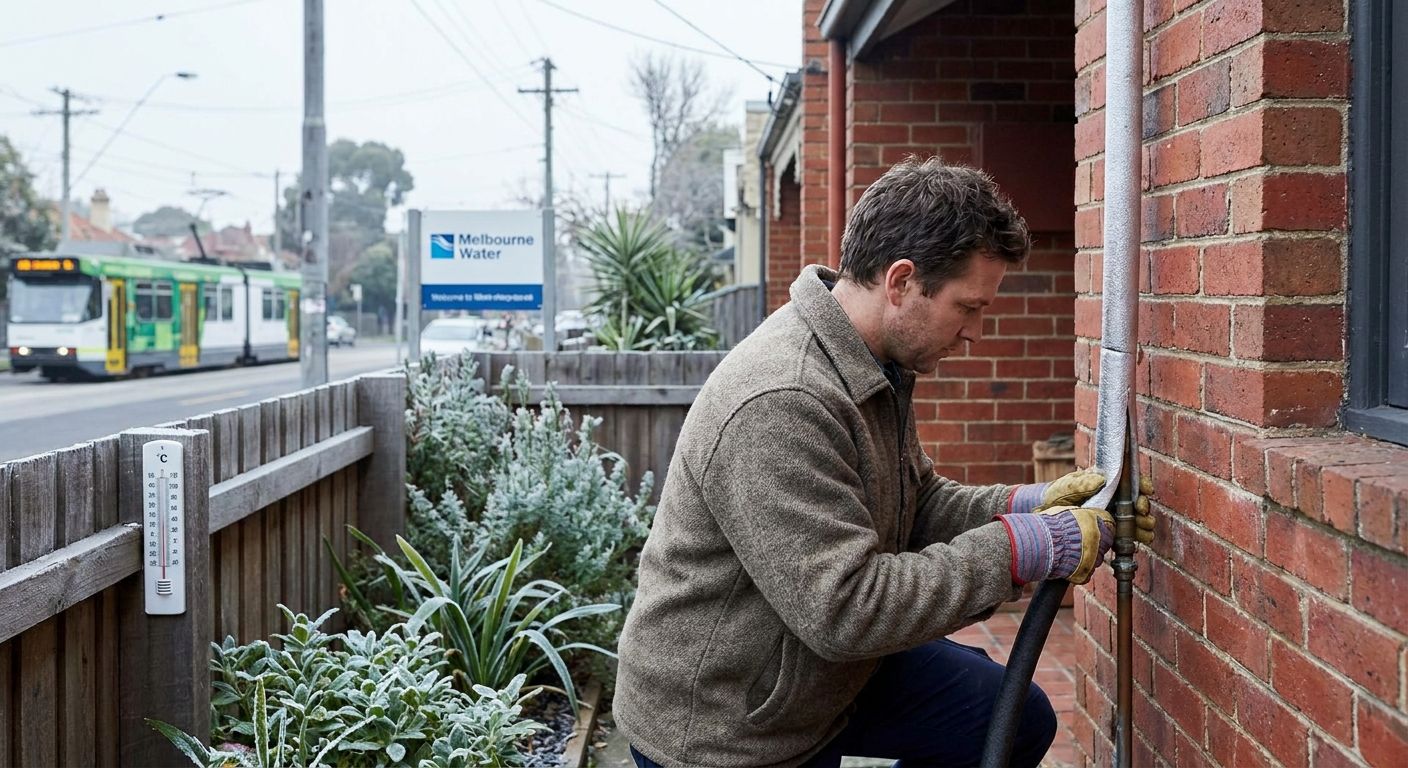
- The location of your water meter (usually near the front boundary or in a footpath box)
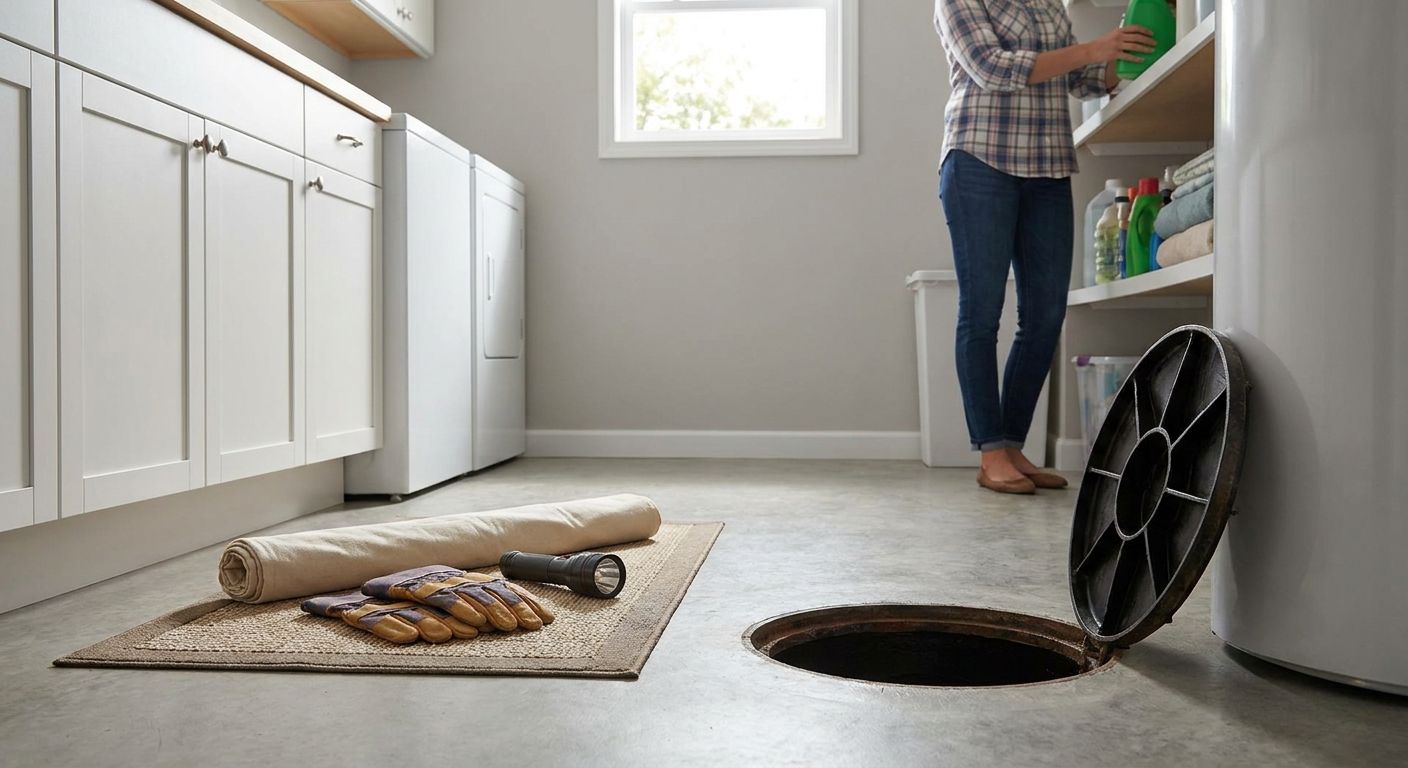
- The location of your main shutoff valve, typically near the meter or where the water line enters the house
- A towel or two, in case you need to mop while you inspect
- Your phone, to photograph any damp patches or damage for insurance before you clean up
- Last quarter's water bill, for comparison
The steps
1. Check the water meter for movement
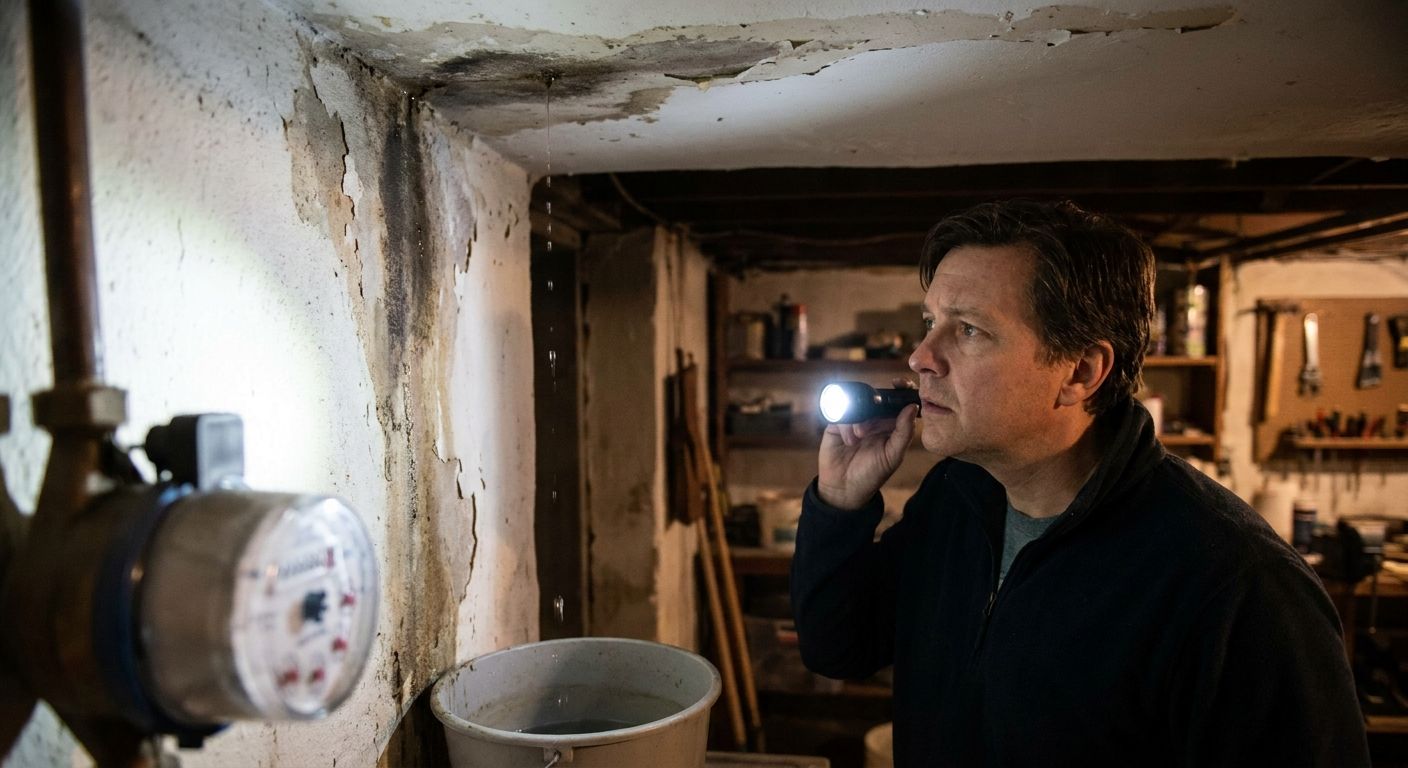
This is the single fastest way to confirm an active leak anywhere on your property. Turn off every tap, dishwasher and washing machine, then watch the small dial or digital readout on your meter for two to three minutes. If it's still turning with nothing running, water is escaping somewhere on your side of the meter, and a burst pipe is one of the most likely causes in 2026's older housing stock. The common mistake here is checking with a dishwasher mid-cycle or a toilet cistern still refilling, which gives a false positive.
2. Inspect walls, ceilings and floors for damp patches
Walk every room and look for discoloured plaster, bubbling paint, or a soft spot in flooring near a wall. A burst pipe inside a cavity often shows up first as a stain the size of a dinner plate before it spreads. Press gently on suspect areas with the back of your hand rather than a finger, since soft plaster can give way. Skipping ceiling corners and built-in wardrobes is the most common oversight, and both are common spots for a hidden burst.
3. Listen for hissing, gurgling or dripping inside walls
Go quiet for a minute in each room, especially near the kitchen, bathroom and laundry, where most supply lines run. A pressurised line that has split often makes a faint hiss or a rhythmic drip you'd miss over the TV or a running fan. If the sound is intermittent and matches when you flush or run a tap, it's more likely water hammer than a burst pipe. If it's constant regardless of what's running in the house, treat it as active and urgent.
4. Compare this quarter's water bill to last quarter
A jump of even 20-30% with no change in household habits is a strong indicator of an ongoing leak, and a burst pipe under a slab can run for weeks before it surfaces visibly. Pull up your last two bills side by side rather than relying on memory. If usage climbed and nobody added a pool, a new appliance or extra guests, that gap is your water going somewhere it shouldn't.
5. Walk the yard for pooling water or unusually lush green patches
An underground burst pipe often feeds the surrounding soil before it ever reaches your house. Look for a patch of grass that's noticeably greener or softer than the rest of the lawn, or standing water with no recent rain to explain it. This is also where slab leaks get confused with yard-side bursts, and the checks aren't identical, so if you find a soggy patch closer to the house footprint than the boundary, read through how to tell if you have a slab leak before you start digging anything up.
6. Test water pressure at every tap
Run the kitchen tap, a bathroom tap and an outdoor tap one after another. A burst pipe upstream of all three will usually drop pressure across the whole house at once, not just one fixture. If only one tap runs weak, the problem is more likely local, like a blocked aerator or a failing tap washer, not a burst supply line.
7. Sniff for musty or sewage-like odours indoors
Standing water inside a wall or under flooring develops a musty smell within a day or two, even before visible mould appears. A sewage-like smell is a different signal and points to a drain problem rather than a supply pipe. Either way, an odour that wasn't there last week and doesn't trace to a bin or a pet is worth investigating immediately.
Suspect a burst pipe right now?
Licensed, insured 24/7 response across Melbourne.
Troubleshooting
Even with all seven checks done, a few situations trip people up:
- Meter keeps moving after you shut the main off. You may have a second isolation valve further along the line, or the leak sits between the meter and your main valve. Don't keep testing taps, call an emergency plumber.
- Damp patch present but meter shows no movement. This usually points to an old leak that's already dried at the source, or condensation rather than an active burst. Monitor it for 24 hours before assuming the worst.
- Water pools near a floor drain instead of a wall. That's more consistent with a blocked drain backing up than a burst pipe. Check how to clear a blocked drain fast before it floods your home before assuming a supply-side burst.
- Yard is soggy but it rained two days ago. Rule out weather first. Genuine burst-pipe pooling doesn't dry out the way rain runoff does, and it tends to sit in the same spot regardless of drainage slope.
- Hissing sound only when a specific tap runs. That's water hammer or a loose washer, not a burst pipe. It's annoying, not an emergency.
Tools and resources
A few things worth keeping on hand beyond the initial check:
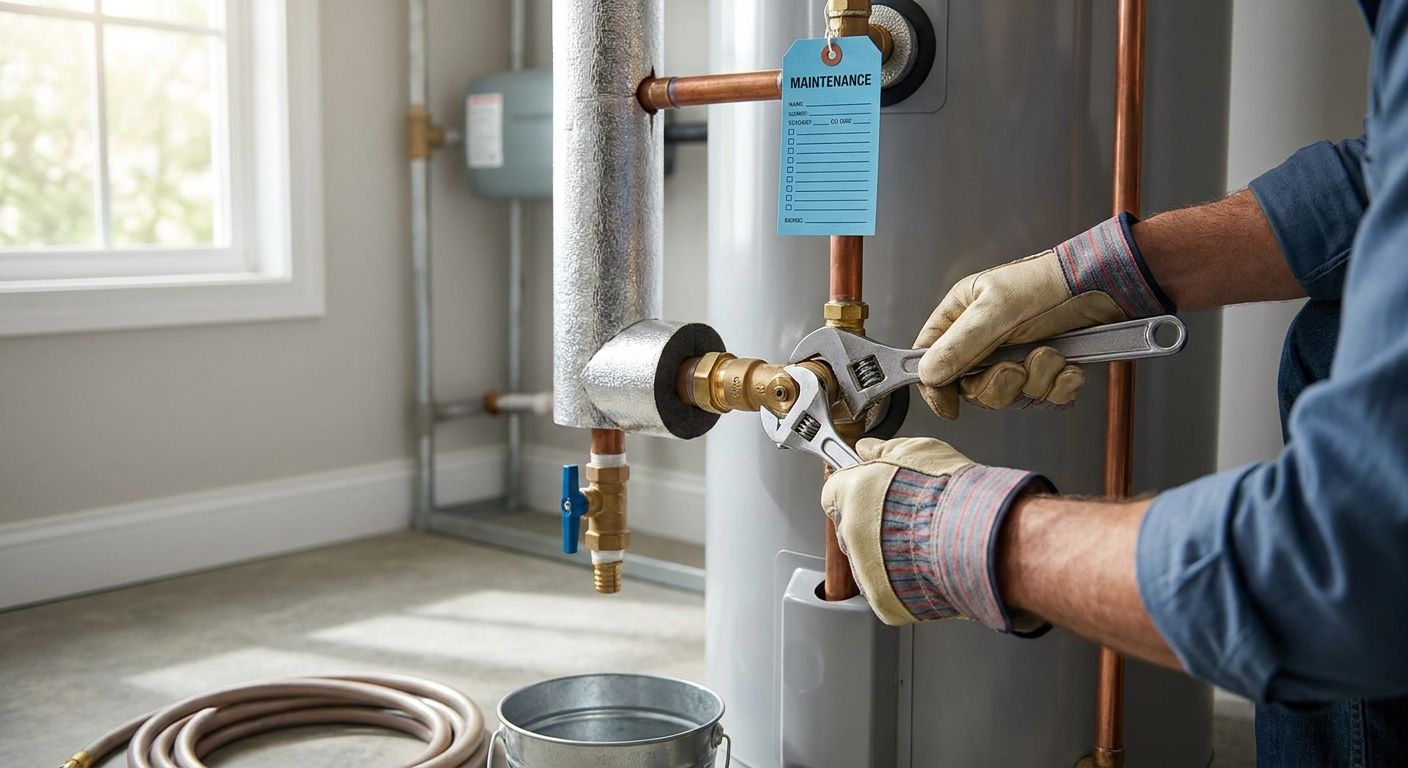
- A pipe wrench or adjustable spanner for the main shutoff valve, since some older valves are stiff and need real leverage
- A moisture meter if you want to confirm a damp patch without cutting into a wall
- A record of your last two water bills, kept somewhere you can find them fast
- A saved number for an emergency plumber, so you're not searching mid-flood
If what you find turns out to be water pooling under a tap rather than inside a wall, it might not be a burst pipe at all. Run through how to stop a leaking tap before the plumber arrives to rule that out before you assume the worst.
What to do next
If two or more signs line up, especially meter movement plus a damp patch or a pressure drop, shut off the main valve immediately and stop using water in the house. Don't wait to see if it gets worse; a confirmed burst pipe rarely resolves on its own, and every hour of delay in 2026 means more water soaking into flooring, insulation and plaster. Photograph the damage before you clean anything up, since insurers ask for it.
FAQ
What are the first signs of a burst pipe?
The first signs of a burst pipe are usually a water meter that keeps moving with every tap off, a damp patch on a wall or ceiling, and a hissing sound inside a cavity. A sudden drop in water pressure across multiple taps is also common.
How do I know if a pipe burst underground?
An underground burst pipe typically shows up as a soggy or unusually green patch of lawn, pooling water with no recent rain, or a rising water bill with no visible indoor sign. Slab leaks specifically often need a dedicated check rather than a yard walk.
Is a burst pipe covered by home insurance in Australia?
Most Australian home and contents policies cover sudden burst pipe damage, but coverage details, excess amounts and exclusions vary by insurer and policy. Check your specific policy wording and photograph damage before cleanup.
Can a burst pipe cause a house to flood overnight?
Yes, a burst pipe left unchecked overnight can flood a room or an entire floor, since a pressurised supply line keeps releasing water until the main is shut off or the pressure drops. This is why shutting off the main valve immediately matters more than diagnosing the exact cause.
What's the difference between a burst pipe and a slow leak?
A burst pipe is a sudden, full-flow failure that shows up fast through meter movement and pressure drops, while a slow leak seeps gradually and may only show up as a creeping water bill increase over weeks. Both need attention, but a burst pipe is the urgent one.
Should I turn off the water main if I suspect a burst pipe?
Yes, shut off the main valve as soon as two or more signs of a burst pipe appear together, even before a plumber confirms it. This limits water damage and is reversible if the check turns out to be a false alarm.
How much does emergency burst pipe repair cost in Melbourne?
Cost depends on the pipe's location, accessibility and the extent of water damage, so it varies job to job. Ask for an upfront quote before work starts rather than relying on a general estimate.
Can a burst pipe fix itself or get better without repair?
No, a genuinely burst pipe will not self-seal and will keep leaking or worsen under water pressure until it's repaired or the main is shut off. Any apparent improvement usually means the fault was something else, like water hammer or a loose fitting.
One last thing
Most burst pipe callouts in Melbourne spike during the first proper cold snap of the season, when ground movement and overnight temperature swings finally stress a galvanised joint that's sat quiet all year. If your home was built before the 1970s and still has original steel plumbing, don't wait for a visible sign in 2026, get an inspection before the cold arrives, because by the time you see a damp patch, the joint has usually already failed.