Melbourne winters don't hit the extremes of Hobart or the alpine regions, but a run of overnight temperatures near or below zero is enough to freeze exposed pipework, and a frozen pipe that thaws unevenly can split and flood a house before anyone notices. This guide walks through what to check, insulate and shut off before the next cold snap so you're not calling an emergency plumber at 2am in June or July 2026.
- Foam pipe lagging on exposed outdoor taps and pipes is the fastest way to protect pipes from freezing in Melbourne before a cold snap - budget an afternoon, not a weekend.
- Disconnect and fully drain garden hoses; a hose left attached traps water that freezes and cracks the tap body.
- If a pipe has already frozen and you hear running water with no tap open, shut the mains stop valve and call Apex Drain Plumbing before it bursts.
- Roof cavity and underfloor pipes in older Melbourne weatherboards freeze first because they were never insulated when the house was built.
Why this matters
Most Melbourne homes are built for heat, not frost, which is exactly why a handful of cold nights each winter causes more burst pipes than people expect. Pipes running through unheated roof cavities, subfloors and exterior walls in outer and hills suburbs sit closest to ambient outdoor temperature, and copper or old galvanised lines have no give when the water inside them freezes and expands.
The damage rarely shows up on the cold night itself. It shows up two days later when the ice plug thaws, pressure returns, and a hairline split in the pipe wall lets water run into a ceiling or wall cavity unseen. Apex Drain Plumbing sees this pattern every winter across Melbourne - a quiet week of cold, followed by a spike in burst pipe callouts once the weather warms back up.
Getting ahead of it costs an afternoon of insulation work. Missing it costs a plumber, a plasterer and possibly a ceiling.
What you'll need
- Foam pipe insulation sleeves (sized to match your pipe diameter)
- An insulated outdoor tap cover or old towel and cable tie as a stopgap
- Pipe lagging tape for joints and bends foam sleeves can't cover
- A torch for roof cavity and subfloor inspection
- An adjustable spanner
- 30 to 60 minutes per exposed pipe run
- Knowledge of where your mains stop valve is and that it still turns freely
The steps
1. Find every exposed pipe on the property
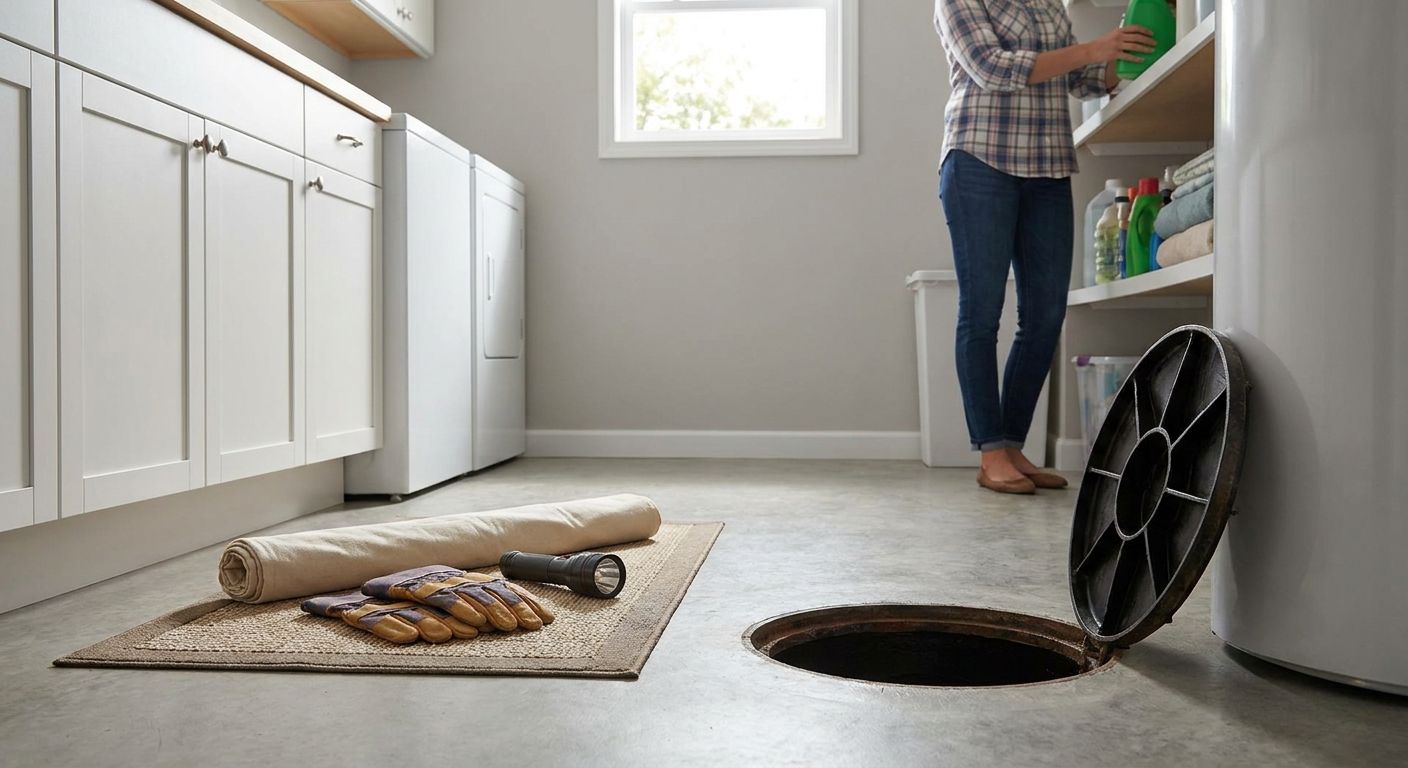
Walk the perimeter of the house and check the roof cavity and subfloor with a torch. Pipes that run along an external wall, through an unheated garage, under a suspended timber floor, or across an exposed roof space are the ones at risk in 2026's coming cold snaps - not the ones buried in a heated wall.
Common mistake: people insulate the obvious outdoor tap and skip the pipe run feeding it inside the roof or subfloor, which is usually the longer and colder section.
2. Fit foam pipe insulation sleeves
Slide foam sleeves over every exposed length, overlapping joints by a few centimetres and taping the seams shut. This single step stops more freeze damage than anything else on this list, because it keeps the pipe surface a few degrees above the surrounding air rather than tracking straight down to it.
Expected outcome: pipe surface stays noticeably warmer to the touch after a cold night compared with an uninsulated section next to it.
3. Insulate or cover the outdoor tap
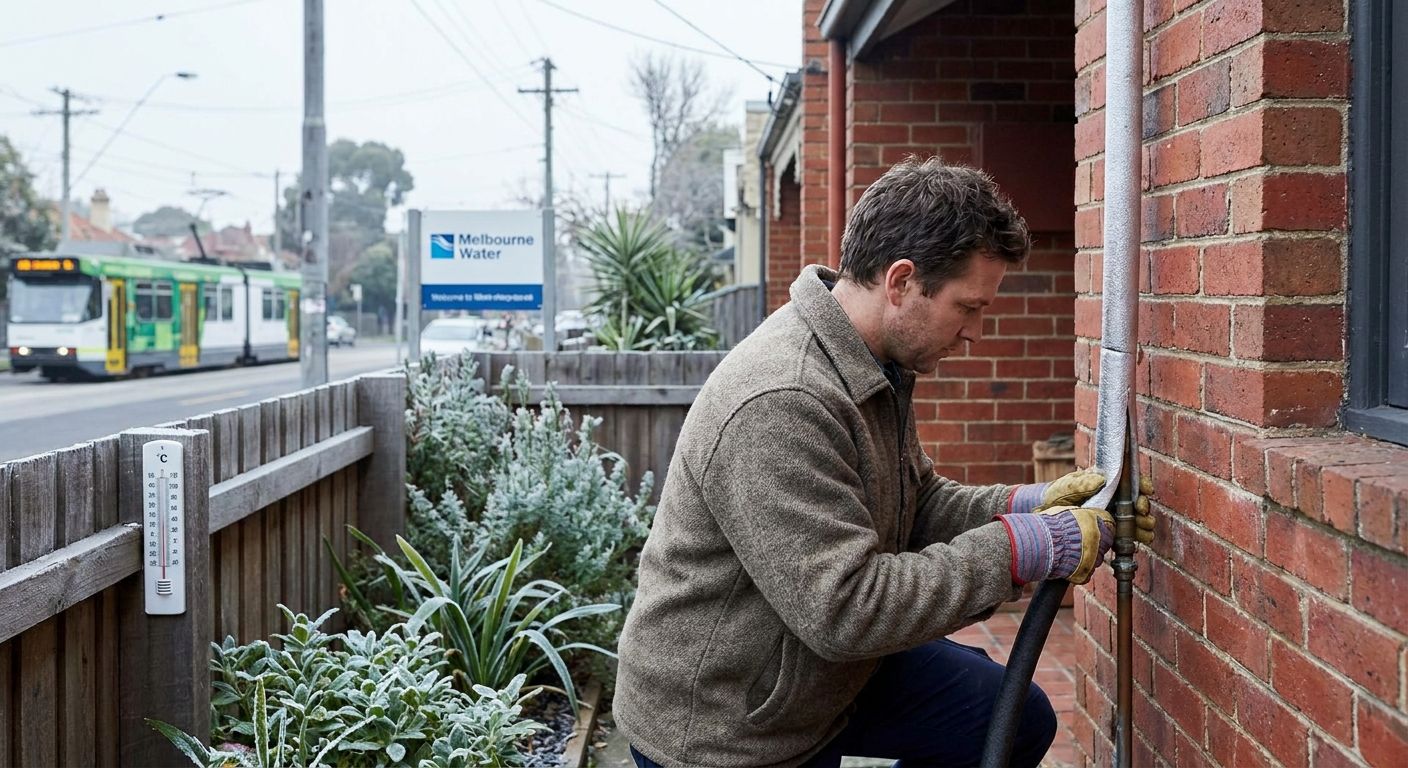
The hose tap (hose bib) is almost always the first thing to freeze because it's a dead-end fitting fully exposed to the air. Fit a purpose-made insulated tap cover, or wrap the tap body in an old towel secured with a cable tie as a temporary fix before you can get the right part.
Common mistake: insulating the tap but leaving the short metal pipe stub behind the wall bare - that section freezes just as easily.
4. Disconnect and drain every garden hose
A hose left attached traps a column of water between the tap and the nozzle with nowhere to expand. Disconnect it, drain it fully, and coil it away from the tap for winter. This takes two minutes and prevents one of the most common tap-cracking scenarios plumbers see each cold season.
5. Check ageing pipework for pressure stress
Older copper and galvanised pipes that are already under high mains pressure have less flexibility to cope with the added stress of ice expansion. If your home has original pipework and consistently high water pressure, reducing water pressure to protect ageing pipes lowers the load on fittings that are already working harder than they should in cold weather.
6. Locate and test your mains stop valve
Find the stop valve - usually near the water meter at the front boundary or under the kitchen sink - and turn it a quarter turn to confirm it still moves freely. A valve that's seized shut is useless in an emergency, and cold weather is exactly when you're most likely to need it fast.
Common mistake: assuming the valve works because it's never been touched. Corroded valves seize over years, not overnight.
7. Leave a cold tap dripping on the coldest nights
On forecast nights near or below zero, leave one cold tap on the coldest run of pipe dripping slowly overnight. Moving water is far less likely to freeze solid than still water, and the small amount of flow relieves pressure if ice does start to form further along the line.
8. Check the hot water system's exterior pipework
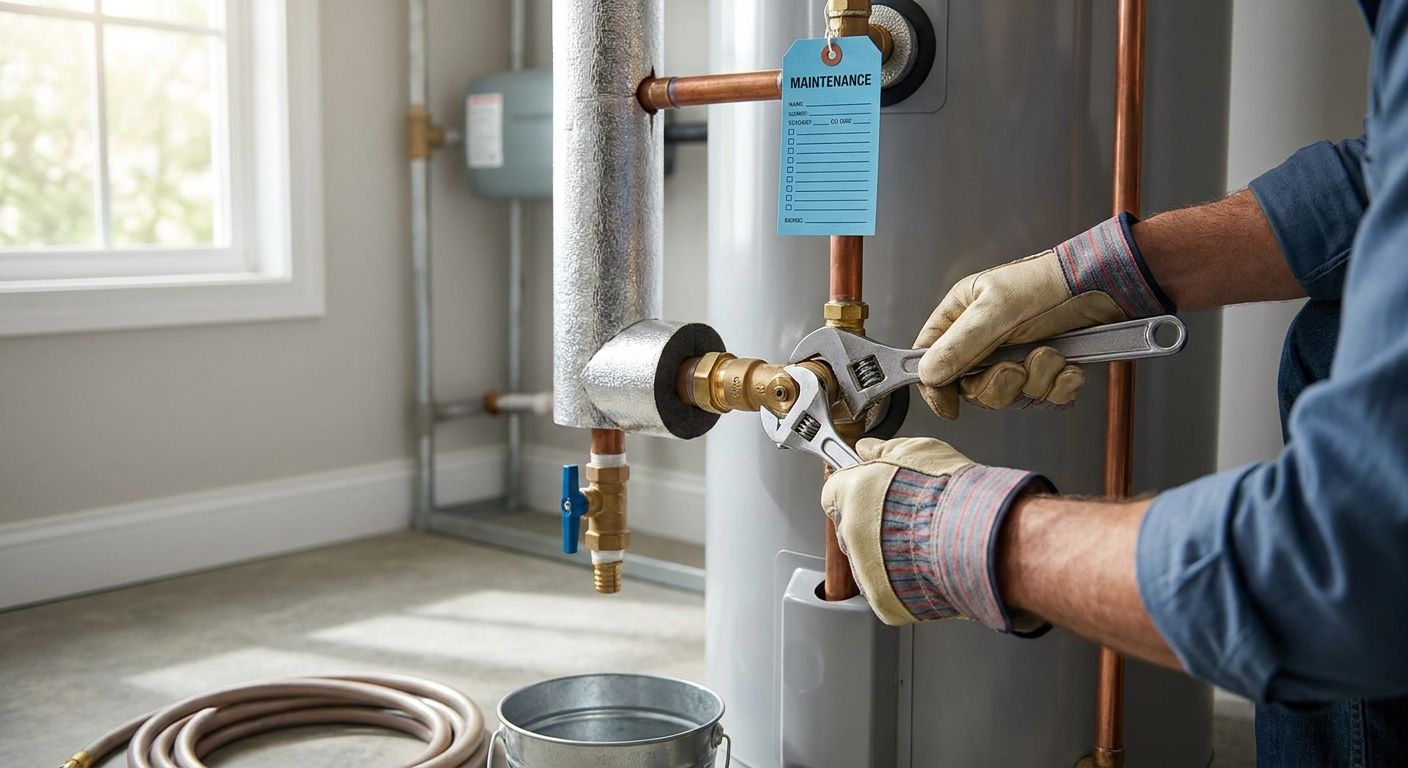
Gas and electric hot water units sitting outside often have exposed copper delivery pipes running a short distance to the wall. Wrap these in foam sleeves the same as any other exposed run - a frozen delivery pipe on a hot water system means no hot water on the coldest morning of the year, which is the worst possible timing.
Troubleshooting
A tap won't turn or water won't flow after a cold night. This usually means ice inside the pipe, not a broken fitting. Don't force the tap or apply direct heat with a blowtorch - warm towels or a hair dryer on the accessible section of pipe thaws it gradually and safely.
You hear running water but every tap is off. That's the sound of a split pipe releasing pressure once ice thaws. Shut the mains stop valve immediately and check for signs of a burst pipe before it floods your home - a damp ceiling patch, a spongy section of floor, or a spike on the water meter are the giveaways.
Only one tap in the house has no pressure. That points to a single frozen or partially blocked run rather than a mains issue. Isolate that fixture, let it thaw naturally, and check the pipe run feeding it for missing insulation before the next cold night.
A ceiling stain appears two or three days after a cold snap, not during it. This is the classic delayed-burst pattern - ice forms during the cold night, then splits the pipe wall as it thaws and repressurises days later. Treat any new ceiling or wall stain after a cold week as a plumbing issue first, not a roof leak.
Condensation on a pipe looks like a leak. Run a dry cloth around the pipe and check again in an hour. Condensation reappears slowly and evenly; an actual leak keeps dripping and the wet patch grows.
Frozen or burst pipe right now?
Apex Drain Plumbing runs 24/7 across Melbourne for burst pipes and emergency repairs.
Tools and resources
- Foam pipe insulation sleeves and lagging tape (hardware store)
- Insulated outdoor tap cover
- Torch for roof cavity and subfloor checks
- Guide: reducing water pressure to protect ageing pipes
- Guide: reading your water meter for hidden leaks to check for damage after a cold week
What to do next
Once the insulation work is done, run a water meter check the morning after the next cold snap. A meter that keeps ticking over with every tap off is the earliest sign of a hairline split from a freeze-thaw cycle, well before it shows up as a stain or a puddle. If you're unsure what you're looking at on the dial, the guide on checking your water meter for hidden leaks walks through the exact numbers to watch.
FAQ
How cold does it need to get in Melbourne for pipes to freeze?
Exposed pipes in roof cavities, subfloors and outdoor walls can start freezing once overnight temperatures sit at or below 0°C for a few hours, which happens most winters in outer and hills suburbs. Insulated and internal pipes rarely reach this point in a typical Melbourne cold snap.
What is the best way to protect pipes from freezing in Melbourne?
Foam pipe insulation sleeves on every exposed pipe run, plus draining and disconnecting garden hoses, covers the highest-risk points. Leaving a cold tap dripping on the coldest forecast nights adds extra protection for older or high-pressure systems.
Can I thaw a frozen pipe myself?
Yes, using warm towels or a hair dryer on the accessible section of pipe, working gradually from the tap end back toward the blockage. Never use a blowtorch or open flame directly on a pipe - it can boil trapped water and cause the pipe to rupture.
How do I know if a pipe has already burst from freezing?
Running water with every tap closed, a sudden drop in water pressure, or a damp ceiling or floor patch appearing a few days after a cold night are the main signs. Shut the mains stop valve and get it inspected before turning water back on.
Do older Melbourne homes freeze more easily than new builds?
Yes. Weatherboard and older brick homes built before modern insulation standards often have pipework running through uninsulated subfloors and roof cavities, which sit much closer to outdoor temperature than pipes in a modern, sealed build.
Is it worth leaving a tap dripping overnight to prevent freezing?
On forecast nights near 0°C, yes - a slow drip keeps water moving through the coldest section of pipe and relieves pressure if ice starts forming. It's a low-cost precaution, not a substitute for insulating exposed pipes.
Should I turn off my water at the mains before I go away in winter?
If the property will be empty during a forecast cold snap, shutting the mains stop valve and draining exposed lines removes the freeze risk entirely while you're not there to notice a problem forming.
One last thing
The pipes that freeze first in Melbourne are almost never the ones people worry about - it's the short, easily forgotten stub behind an outdoor tap or the hot water unit's exterior delivery line, not the long run across the roof cavity. Check those two spots specifically before the next cold snap, even if you've already insulated everything else.