Tree roots follow moisture, and a leaking pipe joint under your lawn is the easiest source of water they'll find. This guide covers how to stop tree roots blocking drains before they crack a pipe, plus what to do if roots have already taken hold.
- Root barriers and CCTV inspections stop tree roots blocking drains before joints crack - install barriers when trees are under 2 years old.
- Chemical root killers are a Skip for long-term fixes; they clear growth but don't seal the crack roots grew through.
- Annual high-pressure jetting is a Buy for properties with established trees within 3 metres of clay or cast-iron pipe runs.
- Pipe relining beats full excavation for older Melbourne homes with root-damaged clay pipes - it seals the joint roots exploit.
- Gurgling drains and slow-draining sinks in 2026 are early warning signs, not just an annoyance to ignore.
Why this matters
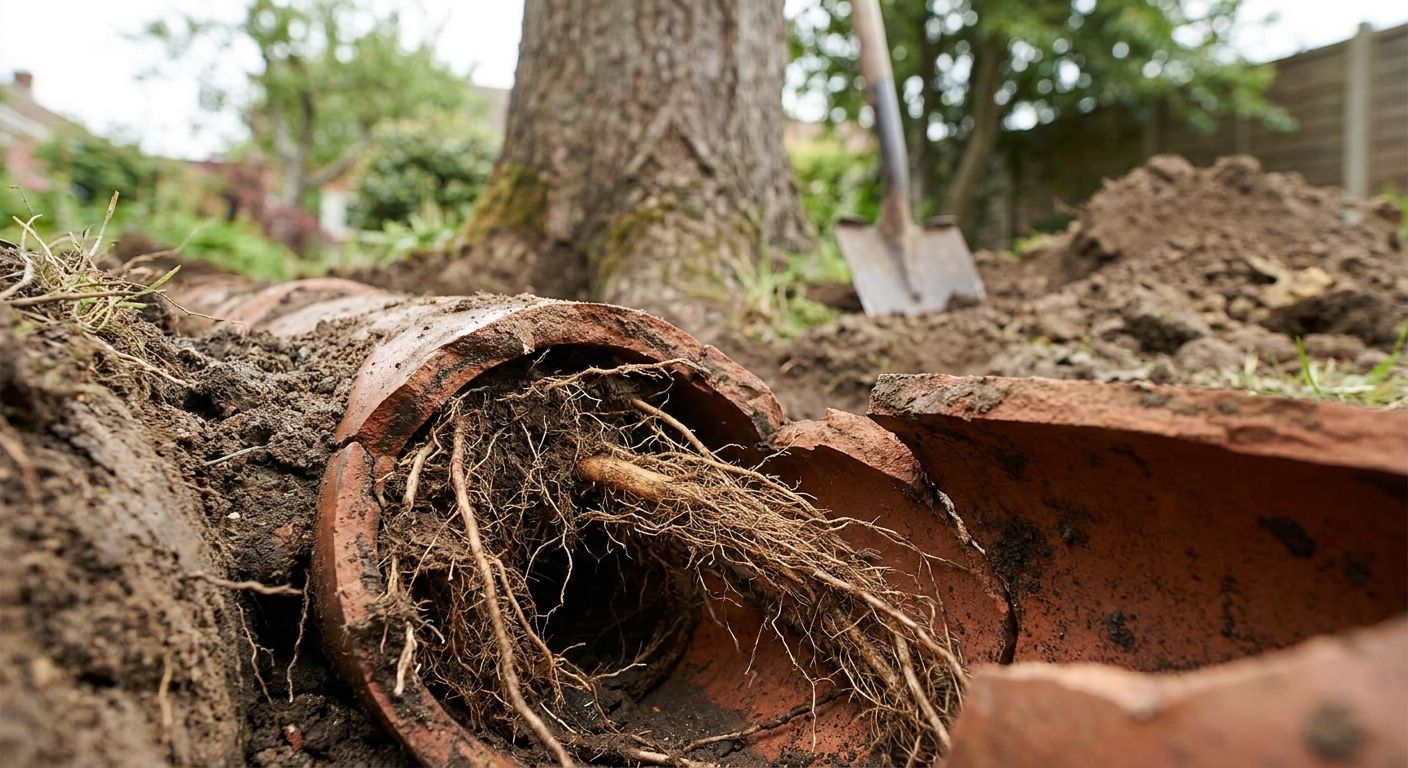
Roots don't punch through solid pipe. They find a hairline gap at a joint, a hub, or a hairline crack in aging clay or cast-iron pipe, then grow toward the moisture and nutrients leaking out. Once inside, a root mass expands with every wet season until water can't pass.
Melbourne's older suburbs still run a lot of clay and cast-iron drain pipe laid decades before PVC became standard. Those joints are exactly the weak points roots target, and by the time you notice a gurgling toilet or a slow sink, the root mass is often already established. Fixing it after the fact costs more than preventing it - that's the trade you're managing here.
What you'll need
- A rough map of your property showing pipe runs and any trees, hedges, or large shrubs within 3 metres of them
- A CCTV drain camera inspection, booked through a licensed emergency plumber rather than a DIY borescope
- Root barrier material (physical, not chemical) if you're planting new trees near drain lines
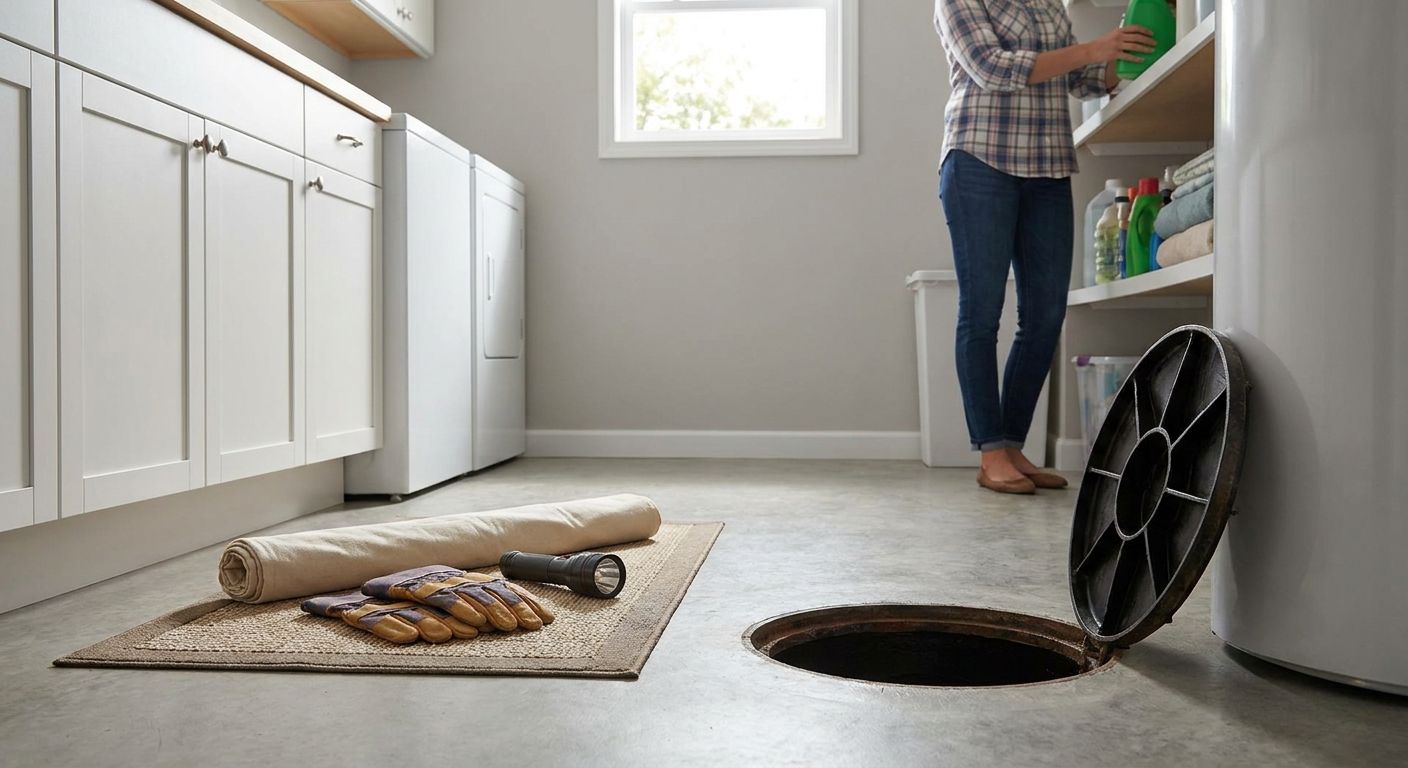
- Access to your inspection point or nearest drain access chamber
- A copper sulfate or mechanical root-cutting service scheduled annually if you already have mature trees near pipe runs
- Roughly half a day for the initial inspection, less for follow-up jetting visits
The steps
1. Map your pipe runs against every tree on the property
Walk the property and mark where your sewer and stormwater lines run relative to established trees, especially natives and gums that push roots aggressively toward moisture. Any tree within 3 metres of a pipe run is a candidate for root intrusion in the next 5-10 years. This single step tells you where to focus every other action on this list, so don't skip it even if nothing's blocked yet.
2. Get a CCTV inspection before symptoms show up
A camera run through the line finds hairline root intrusion long before it causes a backup, and it tells you exactly which joint is failing rather than guessing. Book this every 2-3 years on a property with mature trees, or immediately if the house is older than 25 years and you've never had one done. Expect the plumber to flag joint gaps, pipe material, and any existing root mass on the spot.
3. Install physical root barriers around new plantings
If you're landscaping and putting a tree within 3 metres of a drain line, a vertical root barrier panel installed to at least 600mm depth redirects root growth downward and away from the pipe. This only works on trees that haven't matured yet - it does nothing for an established root system already growing toward your pipes. Skip this step for existing large trees; move straight to inspection and jetting instead.
4. Reline damaged joints instead of just clearing them
When a CCTV inspection finds a cracked or gapped joint, pipe relining seals that gap from the inside without digging up the yard. This is the fix that actually stops tree roots blocking drains long-term, because clearing the roots without sealing the entry point just invites regrowth. Full excavation and pipe replacement is sometimes necessary on severely collapsed sections, but relining handles most root-damaged joints on residential Melbourne properties.
5. Schedule annual high-pressure water jetting
For properties with trees you can't remove or relocate, annual jetting keeps root growth cut back before it restricts flow. A hydro jet cuts through root intrusion and flushes the debris out, buying you another year before the next inspection. Pair this with the CCTV camera so you're not jetting blind - you want to know the root mass is actually gone, not just that water's flowing again today.
6. Skip chemical root killers as your main strategy
Copper sulfate and foaming root killers slow growth temporarily but don't seal the crack the roots grew through, so the problem returns within a season or two. They're a reasonable stopgap between a jetting visit and a permanent relining job, never a substitute for one. Relying on root killer alone is the single most common mistake homeowners make with this problem.
7. Watch for early warning signs between inspections
Gurgling toilets, slow-draining sinks, and damp patches on the lawn above a pipe run are the first symptoms of root intrusion, usually 12-18 months before a full blockage. A patch of unusually green, fast-growing grass tracking the line of your sewer pipe is often the clearest outdoor sign - it means nutrients are leaking exactly where roots are feeding. Catching this early turns a same-day plumber callout into a scheduled fix instead of an emergency one.
8. Call a licensed plumber before it becomes a burst pipe
If you're already seeing multiple fixtures backing up at once, don't keep pouring drain cleaner down the line - that's usually a sign the blockage has moved past a simple clog into root territory. A licensed plumber can run the camera, cut the roots mechanically, and quote the reline in one visit instead of you cycling through DIY fixes that buy a week at most.
Book a drain camera inspection
Find root intrusion before it becomes a burst pipe.
Troubleshooting
- Drain gurgles but still drains, just slowly - partial root blockage. Book a jetting service before it closes off completely.
- Toilet flushes fine but the bathroom sink backs up - roots may be intruding on a separate branch line, not the main run. A CCTV inspection will confirm which pipe is affected.
- Root killer worked, then the blockage came back within 6 months - the crack is still open and roots regrew through it. This needs relining, not another round of chemicals.
- You planted a new tree near the easement and nothing's wrong yet - install a root barrier now, while the root system is small enough to redirect.
- A wet patch keeps reappearing in the same spot on the lawn - likely a root-cracked pipe leaking underground, which will keep feeding the roots that caused it. Treat this as a priority inspection, not routine maintenance.
FAQ
What's the best way to stop tree roots blocking drains?
Sealing the pipe joint roots have entered, usually through relining, is the only permanent fix. Root barriers prevent new intrusion in young trees, and annual jetting manages growth around trees you can't remove.
Is pipe relining better than chemical root killer?
Yes, relining seals the crack roots grew through, while chemical root killer only clears the growth temporarily. Most homes that rely on root killer alone see the blockage return within a year or two.
How much does root barrier installation cost in 2026?
Cost depends on barrier length, depth, and site access, so get a quote based on your specific property. It's typically cheaper than dealing with root-damaged pipe later.
Can tree roots grow into PVC pipes?
Roots rarely penetrate solid, well-sealed PVC pipe, but they can still exploit a poorly sealed joint or a section damaged during installation. Clay and cast-iron pipe joints are far more vulnerable and are where most root intrusion in older Melbourne homes occurs.
How often should I get a CCTV drain inspection?
Every 2-3 years on a property with mature trees near pipe runs, or immediately if the house is older than 25 years with no inspection history. Catching root intrusion early avoids emergency callouts.
What are the early signs of tree roots blocking drains?
Gurgling toilets, slow-draining sinks, and a patch of unusually green grass above the pipe run are the first signs. These typically show up 12-18 months before a full blockage.
Should I remove a tree to protect my drains?
Only if the tree is within 3 metres of a pipe run and the roots are already established near a known weak joint. In most cases, a root barrier or relining is less disruptive than removing a mature tree.
Can I clear root intrusion myself?
A drain snake or hand auger can temporarily open a blocked line, but it won't seal the joint roots are growing through. A licensed plumber with a camera and jetting equipment is needed for a fix that lasts.
One last thing
The patch of grass growing faster and greener than the rest of your lawn, right along the line of your sewer pipe, is usually the clearest early sign of root intrusion you'll ever get - most homeowners mistake it for good soil instead of a leak feeding the roots underneath. If you've been mowing around a stretch of unusually lush grass for a season or two, that's worth a camera inspection before it turns into a Saturday-night blocked drain call in 2026.
“Clearing the roots without sealing the joint they grew through just buys you another year before the same blockage comes back.”